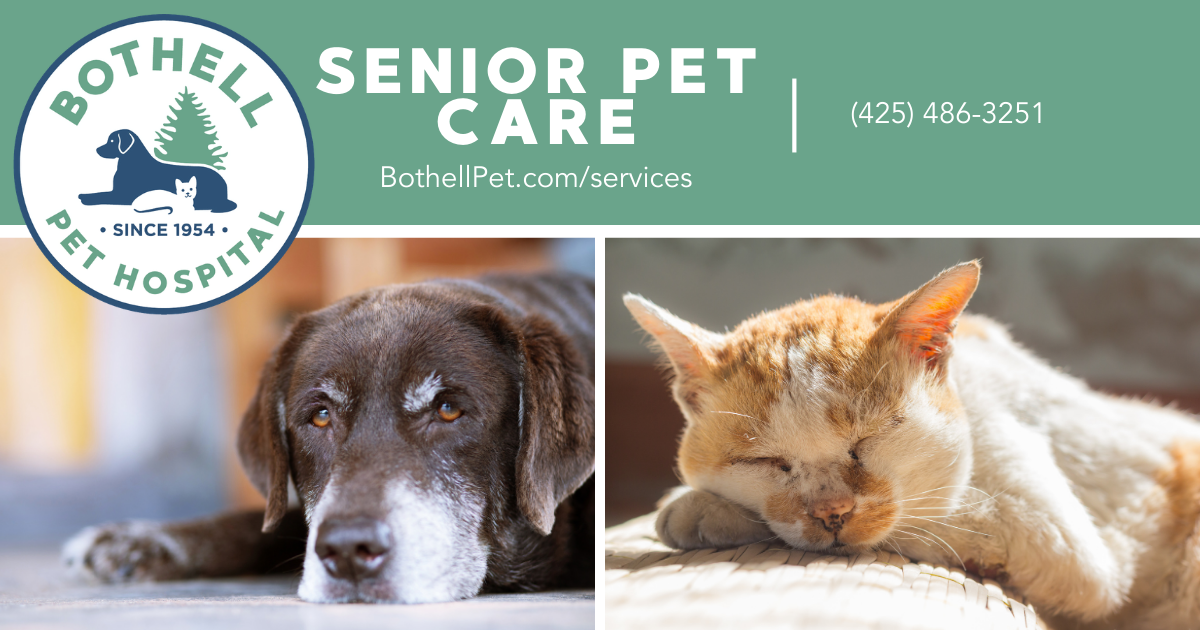
5 Essential Exercises to Keep Your Senior Pets Active
Keeping your senior pets active is essential for their overall health and well-being. As pets age, they may experience decreased energy levels and mobility, which can lead to obesity and other health issues. To combat these challenges, it's important to incorporate regular exercise into their daily routine. Here are 5 essential exercises that can help maintain your senior pet's physical fitness and mental stimulation:
- Gentle Walks: Regular, short walks can help improve circulation and joint flexibility. Aim for a pace that matches your pet's comfort level. AKC suggests adjusting the duration and distance based on your pet's age and health.
- Swimming: If your pet enjoys water, swimming is a low-impact exercise that can build muscle without stressing the joints. Always supervise your pet and ensure they can safely enter and exit the water.
- Interactive Play: Engaging in gentle playtime with toys can provide mental stimulation and light physical activity. Consider using soft toys or balls that are easy for your senior pet to handle.
- Gentle Stretching: Help maintain your pet's flexibility by guiding them through gentle stretching exercises. Consult your veterinarian for specific stretches that are appropriate for your pet.
- Obstacle Courses: Set up a low-impact obstacle course in your home or yard using cushions and gentle ramps. This can be a fun way for your pet to exercise while enhancing their mental agility.
The Best Nutrition Tips for Supporting Senior Pet Health
As our beloved pets age, their nutritional needs change significantly, making it crucial to adapt their diets to support senior pet health. One of the first steps is to ensure they receive a balanced diet rich in high-quality proteins and essential nutrients. Omega-3 fatty acids are particularly important for older pets, as they can help reduce inflammation and support joint health. You can find great recommendations for omega-rich foods in this PetMD article. Additionally, consider providing smaller, more frequent meals to aid digestion and reduce the risk of obesity, which is a common issue among senior pets.
Another vital aspect of supporting senior pet health through nutrition is incorporating functional ingredients into their diet. Look for foods enriched with glucosamine and chondroitin, known for their joint-supportive properties, or antioxidants that help combat age-related oxidative stress. Make sure to consult your veterinarian for personalized dietary recommendations, as some seniors may require special diets to address specific health concerns. For an in-depth look at senior pet nutrition, check out this informative AKC resource. Remember, a well-rounded diet tailored to their age will play a significant role in enhancing the quality of life for your senior pet.
How to Spot Signs of Aging in Your Pet and What to Do About It
As our beloved pets age, it's important to spot signs of aging early to ensure their health and well-being. Common indicators include a decline in energy levels, changes in appetite, and increased stiffness or difficulty in movement. For instance, you might notice that your pet is less interested in playtime or has trouble jumping on furniture. Additionally, if your furry friend is experiencing changes in their coat, such as graying fur or excessive shedding, it may be time to consult with your veterinarian. For more comprehensive insights on this topic, visit PetMD.
Once you've identified these signs of aging, there are several steps you can take to support your pet's quality of life. Regular veterinary check-ups become increasingly vital, as they can help detect health issues early on. Consider adjusting their diet to include senior pet food that provides essential nutrients tailored for aging animals. Also, creating a comfortable living environment with easy access to their favorite spots can alleviate the stress of aging. For additional tips on caring for elderly pets, check out ASPCA's Senior Pet Care Guide.